


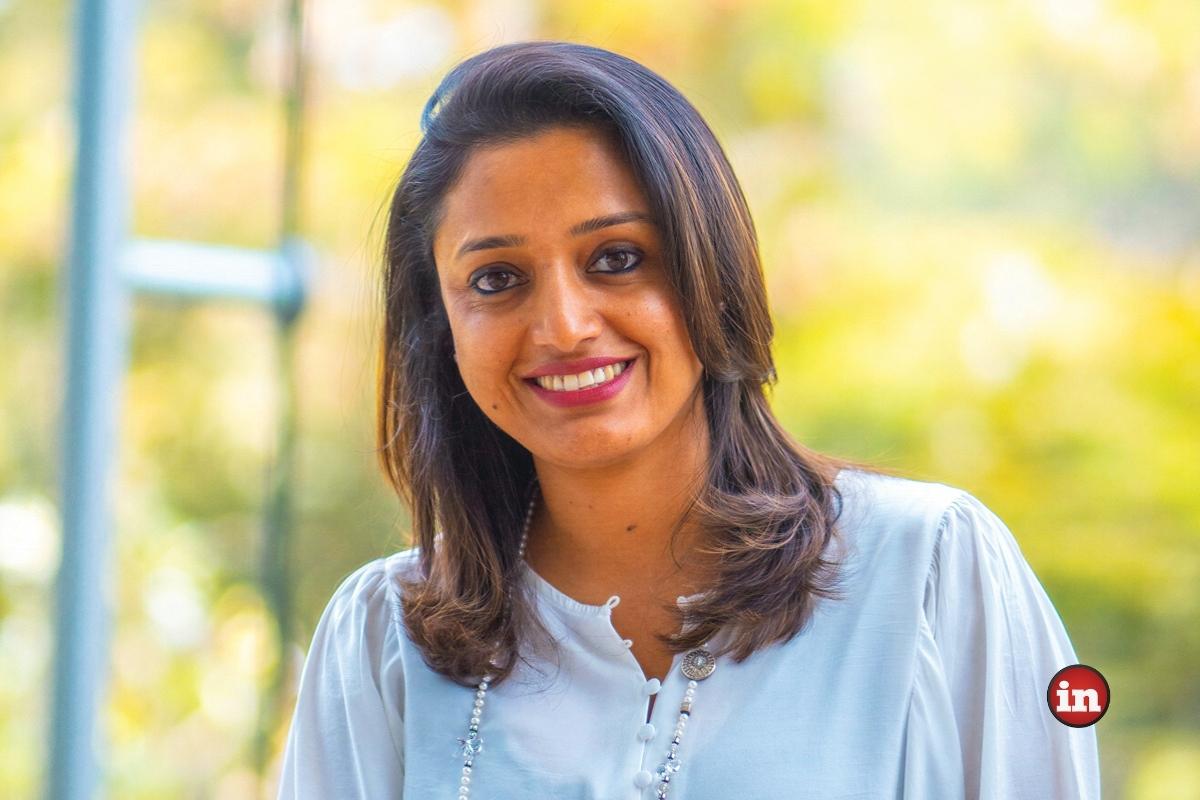
Creating a continuum of care is challenging, but its own reward. And as Shaina Ganapathy, Head, Community Outreach Initiatives, Embassy Group tells us, the ripple effects of the changes we make today can be far-reaching and wide-ranging, in ways we might not even know to be possible.
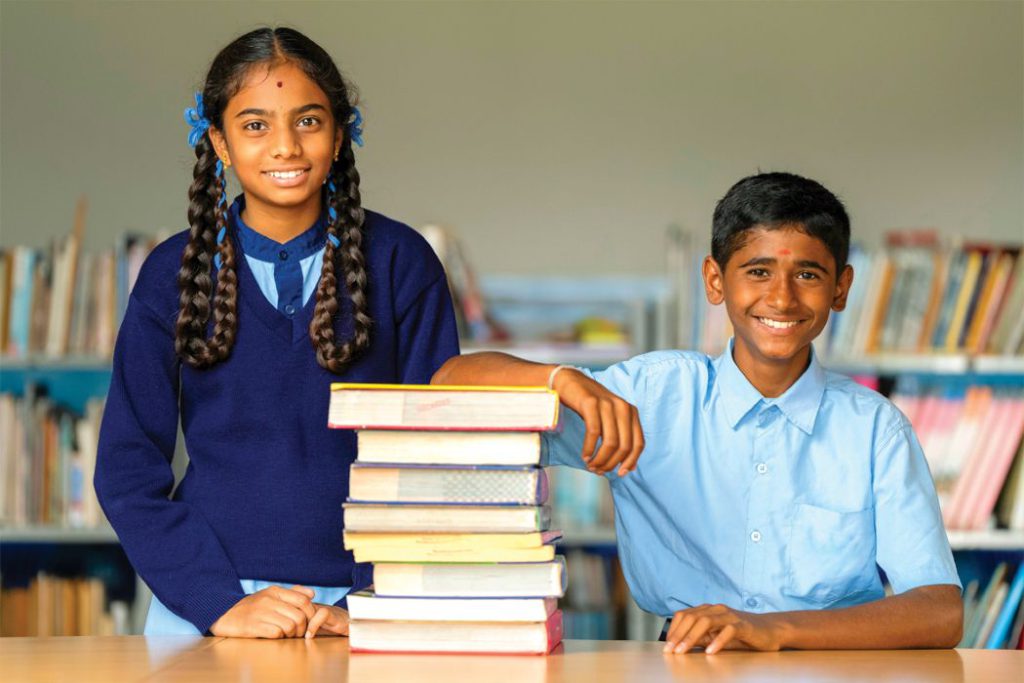
There is often a tendency in CSR to focus on “hardware” like new buildings, while the “software” of daily maintenance gets neglected. You have championed long-term upkeep and soft infrastructure. Why is that specific, recurring investment often more critical than the construction itself?
Over the past fifteen years of working closely with the communities we serve, one belief has shaped how we approach every initiative: infrastructure is only as effective as the system that sustains it. When we enter a school or a community, we do so with the understanding that real change takes time, presence, and consistency. As a developer, construction is naturally our strong suit.
When we initiate a school project, our Project Management teams step in with the same rigour and responsibility that we apply to any large private development—ensuring quality construction, safe spaces, thoughtful fit-outs, and environments where children can learn without fear or discomfort. However, over the years, we have also observed that the real challenge arises after the building is handed over. Schools are living spaces. They are used constantly by children, and without regular upkeep, even the best infrastructure can quickly disintegrate, becoming a barrier rather than a benefit.
That is why we place equal, if not greater, emphasis on long-term maintenance through our Preventive Healthcare pillar, which deliberately integrates education, awareness, and daily upkeep. Clean classrooms, functional toilets, and safe drinking water systems have a direct impact on how children feel in a school—whether they attend regularly, feel dignified, and can focus on learning.
Today, across 28 government schools in Bengaluru, 350+ classrooms, 200+ toilets, and 100+ play areas, UG sumps, overhead tanks, and RO units are cleaned and maintained by a dedicated on-ground team. They are equipped with all the equipment and resources required to handle the cleaning process. Minor and major repairs, as well as deep cleaning activities, are also conducted every quarter.
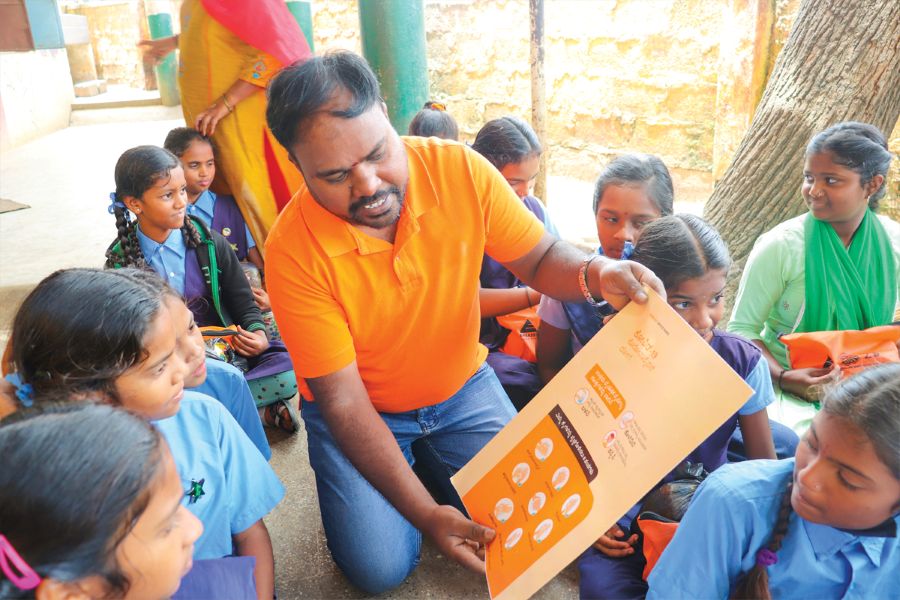
Alongside this, we actively work to build a culture of shared responsibility, where students, teachers, and school staff see themselves as custodians of the school and its surroundings. Through a volunteer-led model, regular awareness sessions on healthy habits such as handwashing, drinking water, toilet etiquette, personal grooming, waste segregation, and the use of dustbins reinforce the idea that the school belongs to the entire community and must be cared for collectively. As the next step, involving community, SDMCs & parents who can become the custodians for the schools and lead by example.
This recurring investment may be less visible than the physical infrastructure itself, but it is what sustains everything around it. It builds trust with schools, reinforces healthy habits among children, and safeguards the original investment made in infrastructure. More importantly, it serves as a model that is rooted in continuity and accountability—where impact is created by being present, consistent, and responsible long after the construction work is completed.
We often treat health and education as separate silos, but your work suggests they are deeply linked. How has addressing basic hygiene and preventive health in government schools directly impacted the learning outcomes you are seeing on the ground?
Areas such as health, education, and infrastructure are closely linked; it is something that becomes evident when you spend time in a government school and observe how it functions daily. Over the years, this exposure has shaped our understanding that challenges faced by children are rarely standalone. Health concerns, the condition of school facilities, and classroom engagement are closely linked and need to be addressed together rather than in isolation.
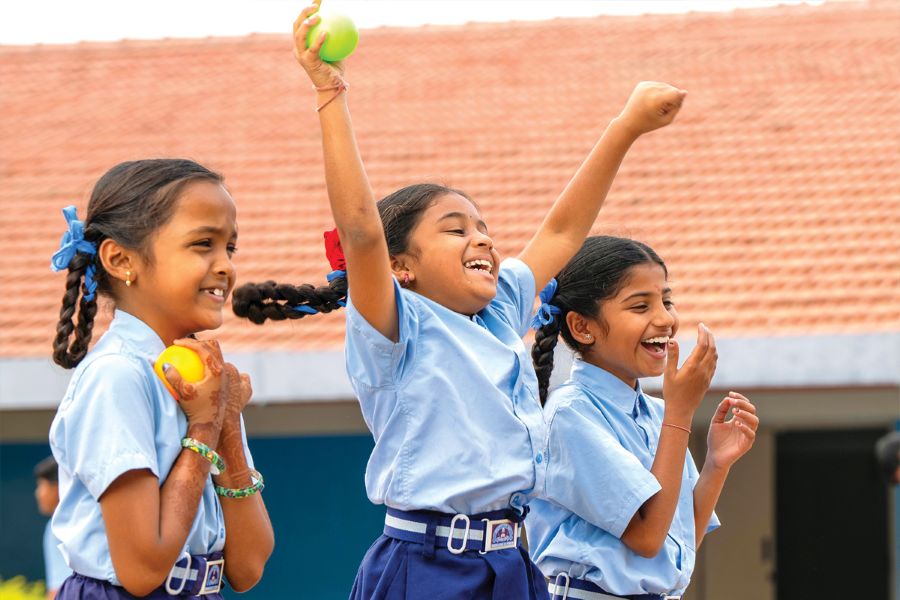
Children are more vulnerable to communicable illnesses, and even minor health issues can interrupt school attendance and gradually affect their ability to keep pace in the classroom and reflect negatively on their education outcomes. Keeping this in mind, our interventions are planned across the academic year rather than standalone activities. The year often begins with simple hygiene initiatives such as handwashing campaigns, where soaps are placed at handwash stations to encourage regular practice. As the year progresses, health kits are distributed with everyday essentials like toothbrushes, toothpaste, soap, shampoo, and similar items, reinforcing the habits introduced through volunteer-led awareness sessions. These efforts rely on repetition and routine, recognising that behaviour change takes time. Periodic health screenings, nutrition support, and consistent access to clean toilets and safe drinking water are also built into the programme.
When basic health and hygiene needs are taken care of, children can attend school regularly and feel comfortable in the classroom. Teachers are better able to maintain continuity in lessons and classroom routines, which supports steady progress over the academic year.
In an era of hybrid work, building a shared corporate culture is harder than ever. Do you find that “shared volunteering” offers a form of glue that digital engagement cannot, and how are younger employees specifically responding to these opportunities?
Shared volunteering has a unique way of bringing people together for a common purpose. Our engagement initiatives are built around these shared experiences, where employees, tenants, and corporate partners come together to engage directly with children and the communities we work with.
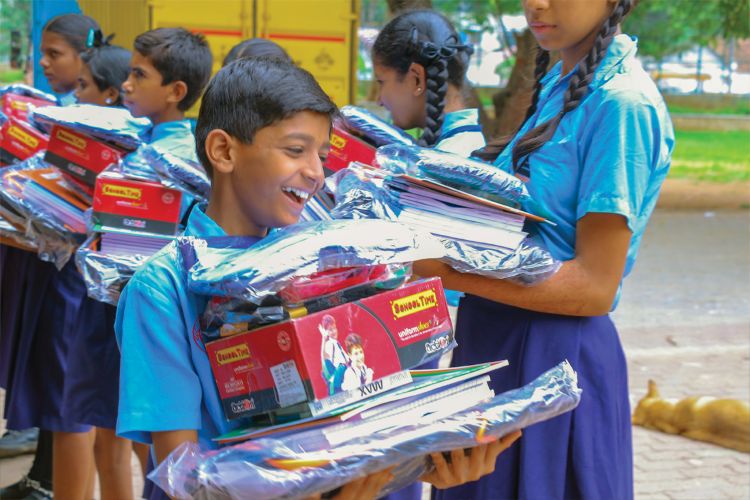
Volunteering often begins at the start of the academic year, with volunteers spending time with children as starter kits are distributed. These early moments allow for simple, meaningful interactions—brief conversations or words of encouragement that help build familiarity. Volunteers also engage through career guidance sessions, sharing personal experiences to help students explore different possibilities. In some schools, this involvement continues through regular programmes such as weekly coding sessions.
Volunteers also come together for hands-on tasks like cleaning classrooms and school buildings, contributing to safer learning spaces. Beyond schools, participation often extends to environmental clean-up drives and other community efforts. In these settings, roles and titles recede, with everyone working alongside one another toward a shared purpose.
While younger employees often respond strongly to these experiences, the intent is to create a shared culture of giving back that brings together people across roles and age groups to support the communities we serve.
You have overseen massive projects affecting thousands of lives. But if you had to pick just one quiet moment or human interaction that defined the true impact of your work, what would that be?
If I had to choose one moment that truly captures the impact of this work, it would be when a child’s journey comes into full circle. Through our education initiatives, we aim to walk alongside students—from building foundational literacy and numeracy to supporting them as they move toward employment. Among the many students who have been with us over the years, one story continues to stay with me.
This student, now working as a Project Manager, had once failed his Class 10 examinations and reached a point where he had lost confidence and motivation. He often speaks about that period and the support he received—both academic help and personal guidance—which helped him regain belief in himself. With consistent encouragement from teachers and mentors, he was able to refocus, pursue engineering, and eventually enter the workforce. Recently, he shared something simple yet deeply moving—that he now drives his own car to work, a life he once only imagined.
It is just one story, but moments like these remind us that while progress may take time, sustained support can create real possibilities. Even at the end of a long journey, there is always room for hope.